Quick Answer
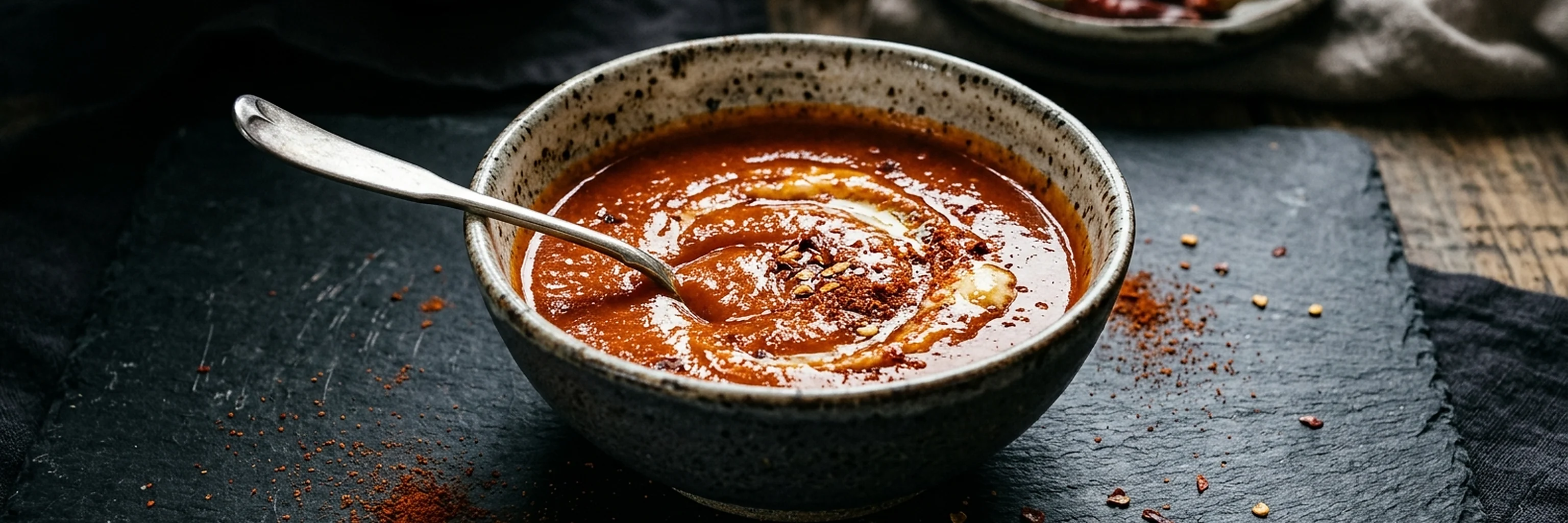
What is blueberry buffalo sauce?Blueberry buffalo sauce is a variation of classic buffalo sauce that incorporates fresh or frozen blueberries to add natural sweetness, deep color, and a fruity tartness that contrasts with the vinegar tang and cayenne heat. The blueberries are typically reduced into a concentrate or puree first, then combined with hot sauce and butter. The result is a sauce that's recognizably buffalo in character — spicy, tangy, buttery — with a distinct berry undercurrent that works especially well on grilled chicken, duck, and as a glaze for pork ribs. The anthocyanins in blueberries also turn the sauce a vivid purple-red color.
Why Blueberry and Buffalo Sauce Work Together
The combination isn't accidental. Several flavor science principles explain why blueberry and buffalo sauce are naturally compatible:
- Capsaicin-sugar moderation: Blueberries contain natural sugars (primarily fructose and glucose) that moderate capsaicin's heat intensity. The sugar molecules don't neutralize capsaicin the way dairy's casein proteins do, but they provide a sweet counterpoint that makes the overall heat more palatable. This is the same principle behind hot honey — sweetness amplifies flavor complexity while softening the experience of heat.
- Tannin-fat interaction: Blueberries contain tannins (polyphenolic compounds) that interact with the butter fat in buffalo sauce. Tannins bind to fat and protein compounds, creating a slight astringency that functions as a palate cleanser between bites. This effect is subtle but makes the sauce feel less heavy and more refreshing.
- Anthocyanin acidity: The deep blue pigments (anthocyanins) in blueberries are water-soluble and change color based on pH. In the acidic environment of buffalo sauce (pH around 3.5–4), anthocyanins shift toward red-purple. This is why blueberry buffalo sauce turns a vivid purple-crimson rather than blue. The anthocyanins also contribute mild tartness that complements the vinegar.
- Matching acidity profiles: Fresh blueberries have a pH of approximately 3.1–3.4 — naturally quite acidic, similar to the vinegar in hot sauce. This means blueberries don't disrupt the sauce's acid balance. They add complexity without neutralizing the tang that makes buffalo sauce work.
Ingredients
- 1 cup fresh or frozen blueberries
- 2 tablespoons water
- 1 tablespoon sugar (or honey)
- 1/2 cup Frank's RedHot (or preferred cayenne hot sauce)
- 4 tablespoons unsalted butter, cut into pieces
- 1 tablespoon apple cider vinegar
- 1 teaspoon garlic powder
- 1/4 teaspoon onion powder
- Pinch of salt
- Optional: 1/4 teaspoon smoked paprika for depth
- Optional: 1/2 teaspoon balsamic vinegar for complexity
Method
- Combine blueberries, water, and sugar in a small saucepan over medium heat. Cook 5–7 minutes, stirring occasionally, until blueberries break down and the mixture resembles a loose jam. Mash any remaining whole berries with a fork.
- Strain the blueberry mixture through a fine mesh strainer into a bowl, pressing firmly to extract all liquid. Discard skins and seeds. You should have approximately 1/3 cup of blueberry concentrate.
- Return the blueberry concentrate to the saucepan over medium-low heat. Add Frank's RedHot and apple cider vinegar. Whisk to combine and bring to a gentle simmer.
- Remove from heat. Add butter pieces one at a time, whisking after each addition until fully incorporated before adding the next. This is the emulsification step — working off-heat with cold butter produces a smoother result.
- Whisk in garlic powder, onion powder, salt, and any optional ingredients. Taste and adjust: more hot sauce for heat, more blueberry concentrate (if you made extra) for fruitiness, more vinegar for tang.
- Use immediately or refrigerate up to 1 week. The sauce will thicken when cold — reheat gently while whisking to restore consistency.
Tips
- Frozen blueberries work better than fresh for this recipe because freezing ruptures the cell walls, releasing juice more readily during cooking. You'll get a more intensely flavored concentrate with frozen berries in less time.
- The blueberry straining step is essential — seeds and skins in the sauce create unpleasant texture when the sauce coats wings. Take the extra minute to strain thoroughly.
- For a restaurant-style glaze texture: after the final sauce is assembled, return to heat and simmer 2–3 minutes to reduce slightly. The blueberry's pectin content helps create a glossy, adherent glaze texture that's excellent for grilling applications.
Best Applications
Blueberry buffalo sauce's sweet-spicy-tangy profile suits certain applications better than others:
- Grilled chicken: The blueberry's natural sugar helps the sauce caramelize on the grill — brush on in the last 3–5 minutes of cooking. The berry char that develops has a smoky-sweet quality that's excellent. Similar application to the orange buffalo sauce on grilled chicken.
- Duck wings or duck legs: Duck's rich, gamey fat interacts exceptionally well with blueberry's anthocyanins and tannins. This is a restaurant-quality preparation — blueberry-buffalo duck is a natural flavor pairing that works in casual and fine dining contexts.
- Pork ribs: As a finishing glaze on pork ribs (apply in the last 15–20 minutes of cooking), blueberry buffalo sauce creates a purple-red crust with sweet and spicy complexity. The pork fat's richness is balanced by the sauce's acidity.
- Cheese board accompaniment: Served alongside aged cheddar, brie, or goat cheese as a fruit compote alternative. The hot-sweet-tangy character is more interesting than plain fruit preserves with savory cheese.
- Salmon: Blueberry buffalo sauce on grilled or baked salmon is a Pacific Northwest-inspired preparation. The berry's acidity and heat complement the salmon's omega-rich fat.
💡 Seasonal Adjustments
Blueberry sweetness and tartness vary significantly by season and variety. Summer peak-season blueberries (July–August in most of North America) are much sweeter and less tart than off-season blueberries. When using peak-season berries, reduce the added sugar by half or eliminate it entirely — the sauce may actually need additional vinegar to balance the increased sweetness. When using frozen blueberries or off-season fresh berries, use the full sugar amount. Wild blueberries (smaller, more intense flavor, higher anthocyanin concentration) produce a more vibrant, tarter sauce than cultivated varieties — they're worth seeking out for this recipe if available.
Variations
The basic blueberry buffalo template adapts well:
- Blueberry-lavender buffalo: Add 1/4 teaspoon dried culinary lavender to the blueberry reduction stage (before straining). The floral note pairs naturally with blueberry and makes this sauce distinctly elegant for upscale presentations.
- Blueberry-bourbon buffalo: Add 2 tablespoons of bourbon to the blueberry reduction stage. The bourbon's vanilla and oak notes deepen the sauce's complexity. The alcohol cooks off during reduction, leaving only the flavor compounds.
- Blueberry-chipotle buffalo: Substitute chipotle-based hot sauce for half the Frank's. The smoked chipotle adds smokiness that contrasts interestingly with the fresh berry character.
- Mixed berry buffalo: Use 50% blueberries, 25% raspberries, 25% blackberries for a more complex berry profile. Each berry contributes different flavor compounds and acids — the result is a more layered berry character than blueberry alone.