Quick Answer
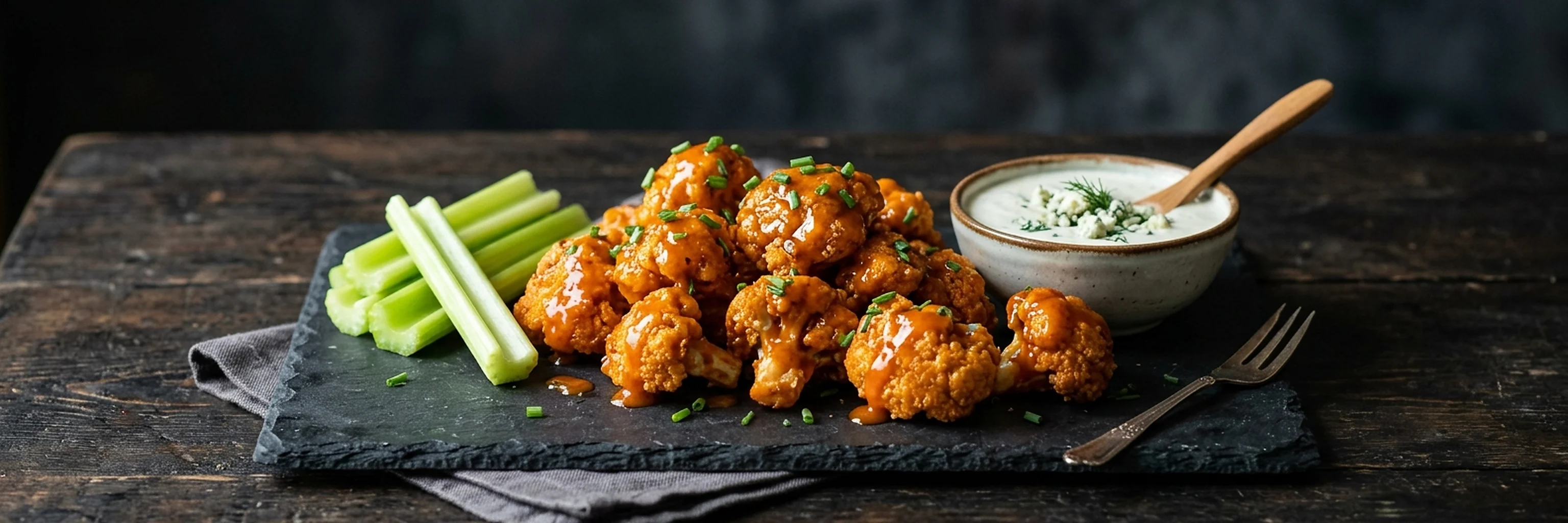
What's the best vegan buffalo sauce?For store-bought: Siete Buffalo Sauce (coconut and avocado oil-based, Whole30 certified, genuinely good flavor) is the best ready-to-use option. For homemade: Frank's RedHot Original (already vegan — it's just vinegar and peppers) + Miyoko's European Style Vegan Butter produces the closest result to traditional butter-based buffalo sauce. The Miyoko's butter has a genuine dairy-butter flavor and emulsification behavior that most vegan butter alternatives don't match. Earth Balance is the widely available fallback.
What Makes Standard Buffalo Sauce Non-Vegan
Traditional buffalo sauce has one non-vegan component: butter. The standard recipe is hot sauce + butter (typically 1:1 to 2:1 hot sauce to butter by volume). The butter provides:
- Fat for emulsification (binds the sauce together)
- Richness and mouthfeel
- Dairy flavor that is part of traditional buffalo sauce character
The hot sauce itself (Frank's RedHot, Crystal, Tabasco, etc.) is typically vegan — just peppers, vinegar, garlic, and salt. Check labels as some specialty sauces may include honey (not vegan).
| Option | Type | Dairy-Free | Vegan | Price | Rating |
|---|---|---|---|---|---|
| Siete Buffalo Sauce | Store-bought ready-to-use | Yes | Yes | ~$8–10 | 4.1/5 |
| Frank's + Miyoko's Butter | Homemade | Yes | Yes | ~$6–8/batch | 4.5/5 |
| Frank's + Earth Balance | Homemade | Yes | Yes | ~$4–6/batch | 3.8/5 |
| Frank's + coconut oil | Homemade | Yes | Yes | ~$3–5/batch | 3.0/5 |
| Tessemae's Buffalo (no fat added) | Store-bought | Yes | Yes | ~$7–9 | 3.5/5 |
| Noble Made Buffalo | Store-bought (clarified butter) | No (butter) | No | ~$9–12 | 4.0/5 |
Vegan Butter Alternatives for Homemade Buffalo Sauce
The vegan butter you choose significantly affects the finished sauce quality:
Miyoko's European Style ($6–8 per block): The best vegan butter for buffalo sauce. Cultured cashew milk base with genuine dairy-like flavor. Emulsifies well with hot sauce and produces a sauce that tastes closest to traditional dairy butter buffalo. Available at Whole Foods, Target, and most natural food stores. Worth the premium price for buffalo sauce specifically.
Earth Balance Vegan Buttery Sticks ($4–6 per box): The widely available fallback. Works well technically (good fat content, emulsifies properly), but the flavor is noticeably different from dairy butter — slightly oilier, with a less "buttery" character. Still produces good buffalo sauce, just not identical to traditional.
Coconut oil ($3–5): Emulsifies acceptably but contributes a coconut flavor note that competes with the buffalo sauce character. A small amount (substitute 3/4 of the butter) blended with olive oil can mitigate the coconut note. Generally the least satisfying option for buffalo sauce specifically.
Vegan cream cheese (for dip applications): Kite Hill dairy-free cream cheese or Violife cream cheese work in buffalo chicken dip applications. The texture is good; the flavor is slightly less tangy than dairy cream cheese but acceptable in the heavily seasoned dip context.
💡 The Miyoko's Method for Best Vegan Buffalo Sauce
Heat 1/2 cup Frank's RedHot Original in a small saucepan over medium-low heat until just simmering (160°F). Remove from heat. Add 6 tablespoons cold Miyoko's Vegan Butter, cut into cubes, one piece at a time, whisking constantly after each addition. The cold butter emulsifies into the warm sauce gradually — same technique as traditional buffalo sauce. Season with 1/4 teaspoon garlic powder. The result is a glossy, properly emulsified vegan buffalo sauce that most guests cannot distinguish from traditional. Serve immediately — vegan butter sauces can break slightly on re-heating more readily than dairy butter versions.