Quick Answer
Why do some people handle spicy food much better than others?Spice tolerance varies dramatically between individuals due to a combination of genetic, cultural, and developmental factors. The main determinants: (1) TRPV1 receptor density and variant — some people are born with fewer or less sensitive capsaicin receptors; (2) childhood dietary exposure — growing up with spicy cuisine drives early desensitization; (3) cultural/psychological relationship with spicy food — people who associate heat with pleasure have fundamentally different pain-processing for capsaicin; (4) age and experience with spicy food. None of these factors are fixed — exposure-based tolerance changes at any age.
Genetic Factors in Spice Sensitivity
The TRPV1 gene (which codes for the capsaicin receptor protein) has multiple common variants in the human population. Studies have identified specific polymorphisms (genetic variations) in the TRPV1 gene that are associated with:
- Higher or lower baseline sensitivity to capsaicin
- Different pain threshold levels
- Varying response to thermal stimuli (actual heat) alongside capsaicin
The density of TRPV1 receptors in oral and GI tissue also has a genetic component — some people express more TRPV1 receptors than others at baseline. Higher receptor density = more pain signal per unit of capsaicin = lower perceived tolerance.
Additional genetic factors: variations in pain processing pathways beyond TRPV1, including genes affecting opioid receptor response (which determines how much pleasure/reward offsets the capsaicin pain signal) and inflammation response genes.
Cultural and Early Life Exposure
Cultural upbringing is the single largest determinant of adult spice tolerance for most people. Children raised in cultures with significant spicy food traditions (Indian, Mexican, Thai, Sichuan Chinese, Korean, Ethiopian) develop tolerance early:
- Regular exposure in childhood drives TRPV1 desensitization during developmental periods
- Cultural association of spicy food with family, celebration, and pleasure creates positive psychological context for heat
- Early development of endorphin-reward response to capsaicin, making heat feel pleasurable rather than threatening from a young age
Adults raised without spicy food in their diet who begin eating it regularly can develop comparable tolerance — but the process takes longer and the psychological baseline (heat = pain vs. heat = pleasure) may take more work to shift.
Gender and Spice Sensitivity
Multiple studies have found higher average heat sensitivity in women compared to men, though individual variation within each gender is much larger than the average difference between them. Proposed mechanisms:
- Hormonal influences on TRPV1 expression — estrogen may upregulate TRPV1 receptor density
- General pain sensitivity differences (women have higher average pain sensitivity on multiple tested modalities)
- Cultural/social factors — social norms have historically encouraged men to suppress pain responses including spice discomfort
The practical implication is small: knowing the average doesn't tell you anything about any individual. Plenty of women have extremely high spice tolerance; plenty of men have low tolerance. Serve both blue cheese and ranch; have mild and hot sauce options available. Assumptions based on gender are unreliable.
💡 Meeting People at Their Tolerance Level
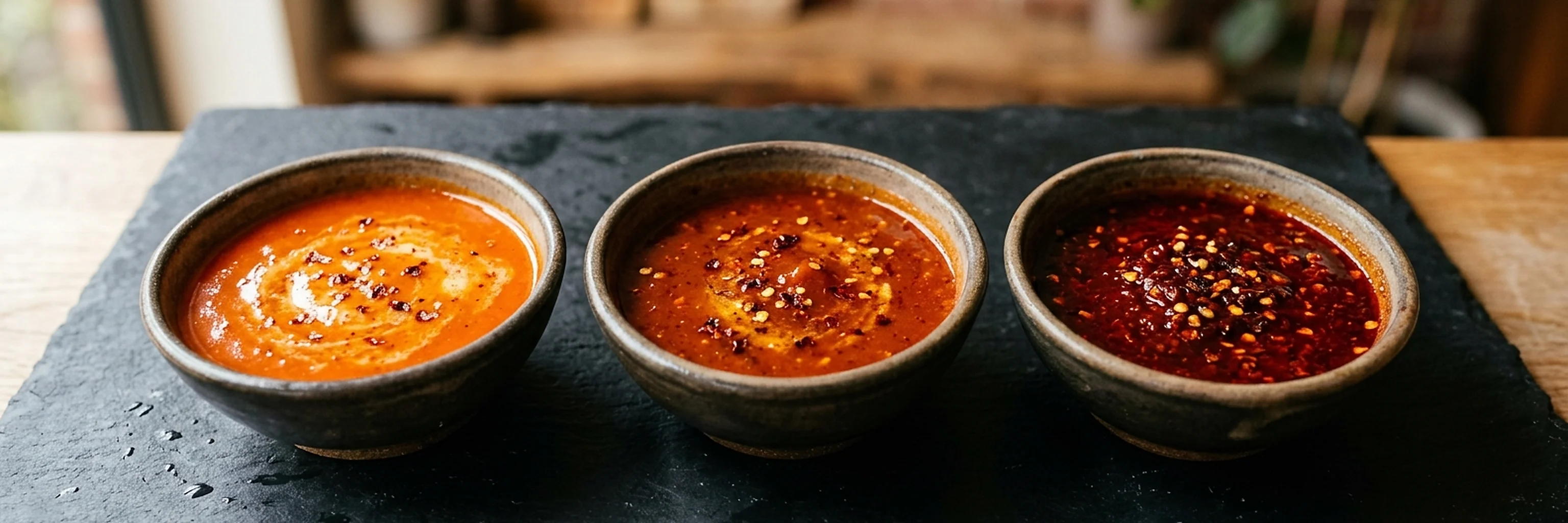
For wing nights with mixed-tolerance groups: the best approach is multiple heat levels and clear labeling rather than accommodation of the lowest common denominator. Frank's-based mild sauce for heat-sensitive guests, a medium option for average tolerance, and a hot option for heat enthusiasts. Letting guests self-select is both respectful and practical. Heat intolerance is not a failure — it's the normal starting point for most adults, and the range of enjoyable spice levels varies widely and legitimately.