Quick Answer
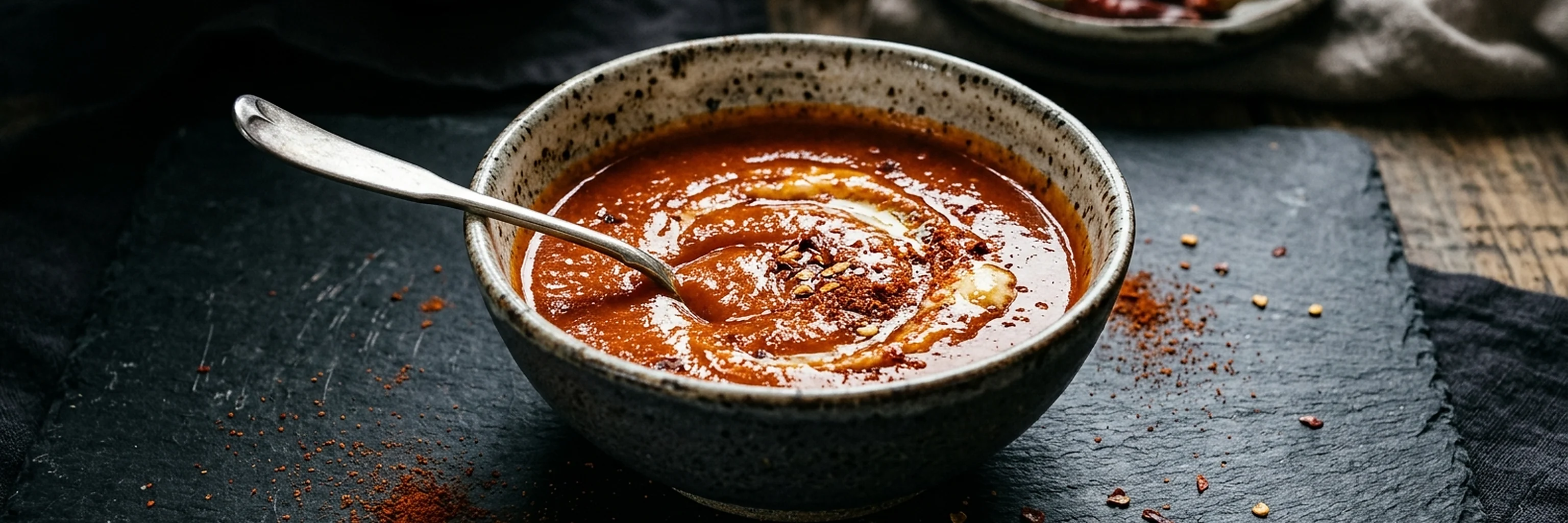
What does classic buffalo sauce taste like — how would you define the flavor?Classic buffalo sauce tastes: tangy-sharp (from the vinegar in the hot sauce base, which dominates the first 1–2 seconds), quickly followed by rich-creamy (from the emulsified butter coating the mouth and moderating the vinegar sharpness), with warm-building heat (from cayenne capsaicin, which peaks 15–30 seconds after the initial bite), and a savory-garlic finish (from the fermented pepper and garlic notes in the hot sauce base). The defining characteristic is the simultaneous presence of sharpness and richness — two flavors that normally oppose each other, resolved by emulsification into a single coherent sauce. No other sauce tastes quite like this; it's why buffalo sauce has its own flavor category.
What Makes Buffalo Sauce 'Classic'
"Classic buffalo sauce" refers to the Anchor Bar-origin formula: Frank's RedHot (or equivalent cayenne-based hot sauce) emulsified with butter, in approximately equal parts, with no additional sweetener, no smoke, no fruit, and no cream. This simple combination has a very specific and distinctive flavor profile.
Many sauces called "buffalo" deviate from this profile — they add honey, brown sugar, garlic butter, or different pepper types. These are variations on the buffalo concept. Understanding what "classic" tastes like allows you to evaluate variations against the original and understand what each variation changes.
Three ingredients define the classic profile:
- Frank's RedHot Original (or equivalent aged cayenne hot sauce): contributes heat, acidity, fermented depth, garlic notes, and salt
- Unsalted butter (or salted, adjusted): contributes richness, dairy character, emulsifying fat, and mouthfeel coating
- Nothing else (in the most classic interpretation): Anchor Bar's original recipe is just these two ingredients
The Ratio That Defines the Flavor
The butter-to-hot-sauce ratio fundamentally determines the flavor profile of classic buffalo sauce:
- 1:1 (equal parts hot sauce and butter) — the classic: The standard restaurant and Anchor Bar-adjacent ratio. Balanced — the vinegar sharpness from Frank's is present but cushioned by butter fat. Moderate heat (approximately 250–350 SHU in finished sauce). This is what "classic buffalo sauce" tastes like when people reference it.
- 2:1 hot sauce to butter (sauce-forward): Tangier, sharper, more vinegar-forward, higher heat perception. The butter is present but not dominant. More acidic mouthfeel. Less coating. This is the profile some prefer for dipping vs. wing-coating.
- 1:2 hot sauce to butter (butter-forward): Rich, mild, creamy, minimal acid sharpness. The butter character dominates. Lower perceived heat. Closer to a butter sauce with hot sauce accent. Works well for gentler applications (pasta sauce, dip base).
The 1:1 ratio is the most balanced because it's where the competing characteristics (vinegar sharpness vs. butter richness) reach equilibrium rather than one dominating the other. This is why it became the standard.
Tasting Notes: Classic Buffalo Sauce
Tasting classic Frank's + butter buffalo sauce in sequence:
- Aroma: Vinegar-forward on the nose — the acetic acid from vinegar is volatile and hits first. Beneath it, garlic and a slight earthy-funky note from the aged pepper fermentation.
- First contact (0–3 seconds): Bright tang from the vinegar hits the front of the mouth immediately, followed by a warming sensation from the butter fat as it coats the palate. The contrast between the sharp vinegar and the smooth butter is the defining sensory moment of buffalo sauce.
- Building heat (5–20 seconds): Cayenne capsaicin builds slowly — it doesn't spike but rises progressively. At 1:1 ratio, it reaches a moderate warmth that most people find accessible. The heat is distributed evenly across the mouth and throat.
- Mid-palate (10–30 seconds): The fermented pepper notes emerge as the initial vinegar sharpness fades slightly — a slightly funky, savory depth that reads as "hot sauce flavor" distinct from just vinegar. Garlic notes become more distinct here.
- Finish (30+ seconds): A warm, buttery coating remains long after swallowing. The heat lingers gently. Good buffalo sauce has a clean, savory finish with no harsh aftertaste — if it tastes harshly acidic in the finish, the sauce likely needs more butter or different proportions.
| Sauce Variation | vs. Classic: Difference | What Changed | When to Use |
|---|---|---|---|
| Classic (1:1 Frank's + butter) | Baseline | — | Wings, most applications |
| Honey buffalo (+ 1–2 tbsp honey) | Sweeter, milder heat perception | Added sweetness, heat modulation | Honey wings, kid-friendly |
| Garlic buffalo (+ extra garlic) | More pungent, deeper savory | Enhanced allium | Pizza, pasta, dipping |
| Spicy buffalo (+ cayenne/habanero) | Higher heat, same profile | Increased capsaicin | Heat enthusiasts |
| Smoky buffalo (+ smoked paprika) | Earthy, slightly sweet smoke note | Added smoke character | Grilling applications |
| Vegan buffalo (Miyoko's butter) | Very similar to classic | No dairy, slight flavor difference | Dairy-free contexts |
Variations and How They Change the Profile
Understanding the classic profile makes it easy to understand what each variation does:
- Honey buffalo: The added sweetness suppresses the vinegar sharpness perception (sweet and sour oppose each other on the palate) and modulates heat perception (sweet reduces the sensation of capsaicin). The result is gentler, more accessible, with a forward sweetness the classic lacks. The classic's sharp-rich balance is replaced by sweet-rich-savory. Both are good — they're different products serving different preferences.
- Extra garlic buffalo: Garlic adds forward allium sweetness and savory depth. This makes the sauce feel more complex in the mid-palate but potentially less "clean" than the classic. Works particularly well in cooking applications where the garlic caramelizes and integrates.
- Cream cheese or sour cream addition: Used in dips and some restaurant preparations, dairy additions significantly increase fat content and reduce the acid sharpness. The sauce becomes milder, creamier, and more filling. Best for cold applications (dips, sauces) rather than wing coating.
- Brown butter variation: Using browned (not burned) butter in place of regular melted butter adds a nutty, caramel character from the Maillard browning of milk solids. The sauce smells richer and more complex; the flavor has a toasty-nutty note that complements rather than competes with the cayenne. A significant quality upgrade for homemade preparations.
What Goes Wrong and Why
Common failures in buffalo sauce and their flavor impact:
- Too much vinegar sharpness: The sauce tastes harsh, face-puckering, and the butter richness is lost. Usually caused by too little butter or too much hot sauce in the ratio. Fix: add butter in small increments, whisking constantly.
- Greasy, not creamy: Broken emulsion — the butter fat and hot sauce have separated. The sauce looks oily and the flavors don't combine well. Fix: reheat with constant whisking to re-emulsify, or start over with cold butter added to warm sauce.
- Flat, no punch: Insufficient seasoning, typically under-salted. The flavors are all present but feel muted. Fix: add salt in small increments; taste as you go. Sometimes a few drops of extra hot sauce restores punch.
- Too mild: The butter has overwhelmed the hot sauce. More common when using extra butter for richness. Fix: add more hot sauce in small amounts to rebalance. Or accept a milder sauce for applications requiring it (kids' plates, sauce for mild palates).
- Sauce slides off the wing: The emulsion is technically fine but too thin, or the wings are too cold. Fix: warm the sauce just before tossing; toss warm wings in the warm sauce. Heat helps the sauce cling.
💡 The Perfect Temperature for Classic Buffalo Sauce
Classic buffalo sauce has an ideal serving temperature range: 130–145°F (54–63°C). At this temperature, the emulsion is fluid and glossy, the butter is fully integrated, and the sauce coats wings evenly without being so hot that it separates. Below 100°F, the sauce starts to feel thick and greasy as the butter fat partially solidifies. Above 160°F, the emulsion can break and the vinegar aroma becomes overpowering. Toss freshly fried or air-fried wings (165°F+) in sauce that's been warmed to 130–140°F — the temperature differential helps coat without burning or breaking the sauce.