Quick Answer
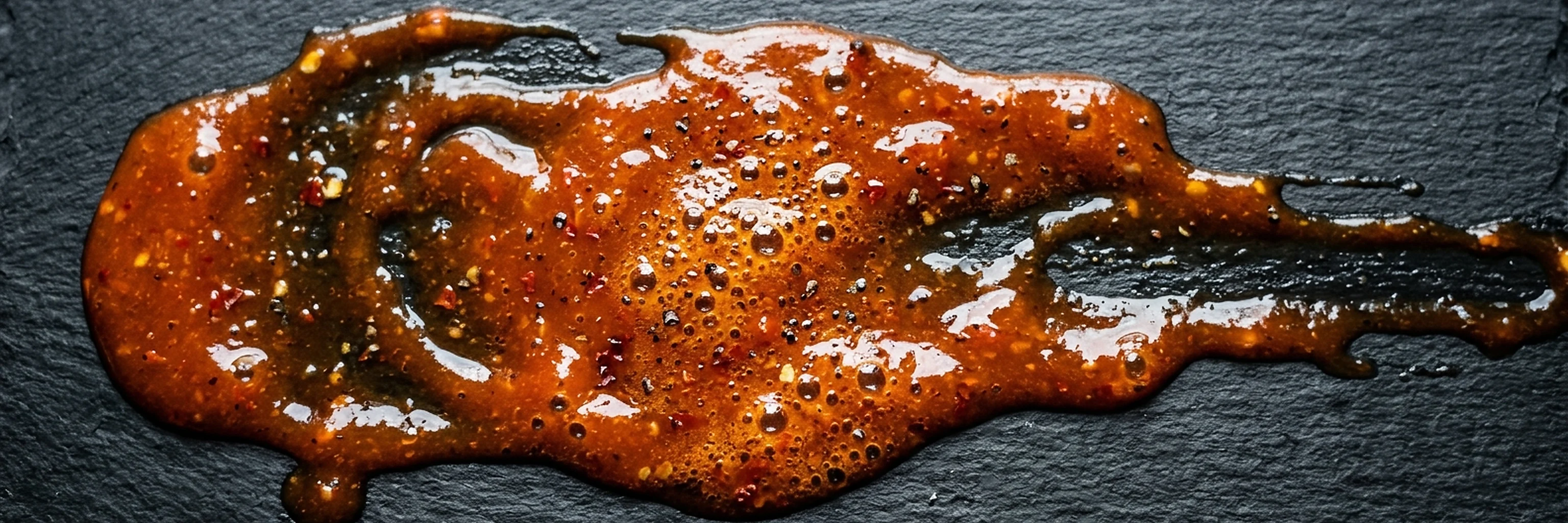
What does each ingredient in buffalo sauce actually do?Buffalo sauce is a scientifically elegant combination: cayenne pepper provides capsaicin (the heat compound) and pepper flavor; vinegar provides acidity that cuts through fat and creates the signature tang; butter provides fat for emulsification and richness; garlic powder provides savory depth through sulfur compounds; and optional Worcestershire provides umami via fermented anchovies' glutamate. Together, these ingredients create a sauce that's simultaneously sharp, rich, spicy, and savory — a balance that explains why it works so well with the neutral fat of fried chicken.
The Core Buffalo Sauce Formula
Traditional buffalo sauce has a remarkably simple formula: hot sauce + butter + seasonings. The classic ratio is approximately 1/2 cup hot sauce to 6 tablespoons butter (about 2:1 hot sauce to butter by volume), with a pinch of garlic powder and sometimes a teaspoon of Worcestershire sauce.
This simplicity is deceptive. The specific combination of these few ingredients creates a sauce with complex, layered flavor due to the interaction between the acid, fat, and flavor compounds. Understanding why each ingredient works explains why substitutions sometimes fail and why certain modifications improve results.
Hot Sauce: The Spice and Acid Foundation
Louisiana-style hot sauce (Frank's RedHot, Crystal, Tabasco) provides two essential components to buffalo sauce simultaneously:
Capsaicin and heat: Capsaicin (8-methyl-N-vanillyl-6-nonenamide) is the primary capsaicinoid responsible for heat perception. It binds to TRPV1 receptors in the mouth and throat, triggering a pain/heat response that the brain interprets as burning. At the concentrations present in buffalo sauce (~200–600 SHU final sauce), this creates a pleasant warmth rather than true pain for most adults. The specific character of cayenne's heat — sharp, immediate, relatively short-lasting — distinguishes it from habanero (slow-building, fruity, sustained) or jalapeño (mild, grassy).
Acidity: Hot sauce contains 5% acetic acid (from vinegar) that gives buffalo sauce its characteristic tang. This acidity serves multiple roles: it brightens flavor (acid amplifies taste perception), cuts through the butter's richness preventing the sauce from tasting heavy, and helps preserve the sauce by lowering pH. The interaction between acidity and fat creates the fundamental flavor tension of buffalo sauce — sharp vs. rich — that keeps each bite interesting.
Butter: Emulsification and Richness
Butter transforms hot sauce from a condiment into a coating sauce through emulsification — the process of dispersing fat droplets throughout a water-based liquid to create a stable, creamy texture.
Butter is approximately 80% fat, 16–17% water, and 2–4% milk solids. When cold butter is whisked into warm hot sauce:
- The mechanical action of whisking breaks the butter into microscopic droplets
- Milk proteins in the butter act as natural emulsifiers, coating fat droplets and preventing them from re-coalescing
- The warm water phase (hot sauce) surrounds the fat droplets, creating a stable emulsion
- The result is a glossy, creamy sauce that coats wings evenly
The critical technique detail: butter must be cold when added to warm sauce. If butter is melted first, the milk proteins denature differently and the sauce tends to break (fat and water separate). Cold butter added to ~150–160°F sauce creates the temperature differential needed for proper emulsification.
| Ingredient | Key Compound | Function | What Happens Without It |
|---|---|---|---|
| Cayenne hot sauce | Capsaicin, acetic acid | Heat, acidity, flavor base | Just butter sauce — no heat or character |
| Butter | Milk fat, milk proteins | Emulsification, richness | Thin, harsh, uncoated wings |
| Garlic powder | Allicin compounds (dehydrated) | Savory depth, background flavor | Flat, slightly less complex |
| Worcestershire | Glutamates from anchovy fermentation | Umami amplification | Slightly less depth |
| Salt | Sodium chloride | Flavor amplification | Flat, muted flavors |
Vinegar's Critical Role
The vinegar in hot sauce (distilled white vinegar at 5% acidity) is responsible for three simultaneous effects in buffalo sauce:
- Flavor perception enhancement: Acidity increases the perception of other flavors — the garlic tastes more garlicky, the pepper tastes more peppery, and the sauce reads as brighter and more vibrant overall. This is why sauces without enough acid taste "flat" even when all other ingredients are present.
- Emulsification facilitation: The water phase (vinegar + water from the hot sauce) is the continuous phase in the buffalo sauce emulsion. The acidity helps prevent the butter from re-coalescing into solid fat.
- Preservative effect: At pH below 4.0, the acidity of buffalo sauce inhibits bacterial growth. Most properly made buffalo sauces have a pH around 3.5–4.0, making them reasonably shelf-stable even with butter content, though refrigeration is still recommended.
Supporting Ingredients: Garlic and Worcestershire
Garlic powder contributes primarily through Maillard-reaction precursors and sulfur compounds that add savory complexity. The dehydrated form (vs. fresh garlic) provides a softer, more integrated garlic character that doesn't dominate. Fresh garlic would provide similar compounds but at higher intensity with a sharper, rawer character.
Worcestershire sauce (when included) provides glutamic acid from fermented anchovies — the same compound responsible for umami in Parmesan, soy sauce, and aged meats. At the small amounts used (1 teaspoon per 1/2 cup sauce), you don't taste Worcestershire distinctly; you taste a sauce that has more "fullness" and complexity.
💡 The Science of Sauce Breaking
Buffalo sauce "breaks" (fat separates from water phase) when the emulsion is disrupted. Common causes: overheating (above ~185°F denatures milk proteins needed for emulsification), adding melted rather than cold butter, or mechanical shock (vigorous boiling). If your sauce breaks: remove from heat, add 1–2 tablespoons cold water, and whisk vigorously. The cold water lowers the temperature and provides additional water phase to re-disperse the fat droplets. This rescue technique works because the milk proteins are usually still intact — the droplets just need re-suspension.