Quick Answer
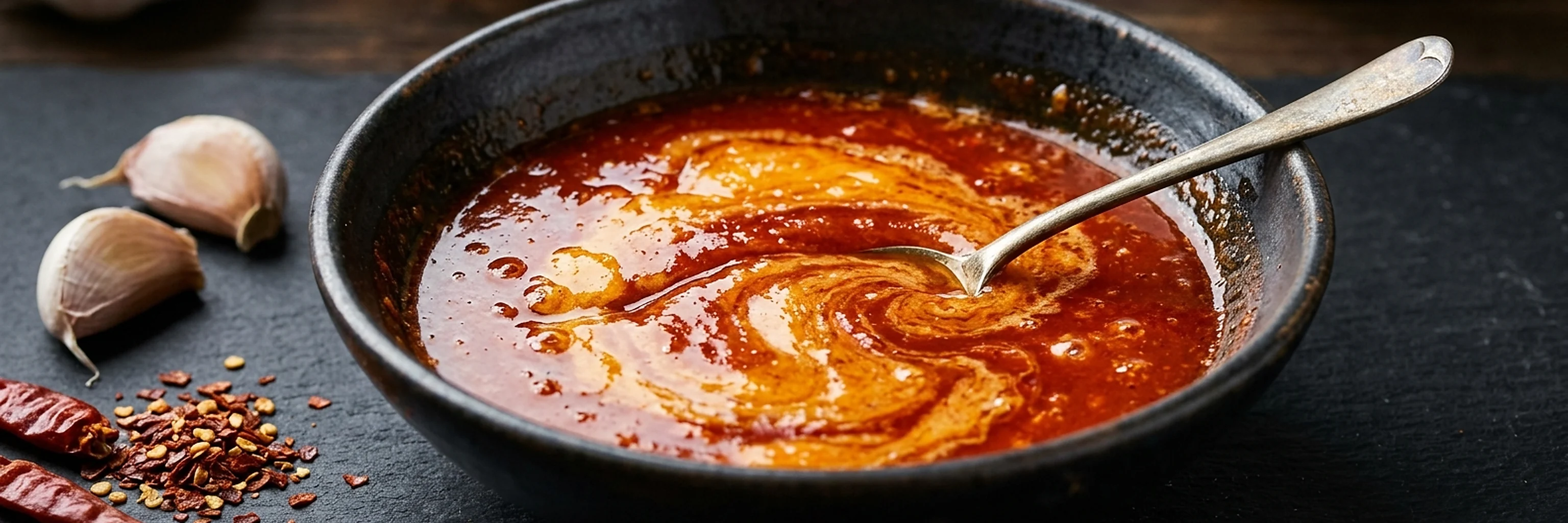
Can you use buffalo sauce as a marinade?Yes, but with an important modification: remove the butter. Standard finished buffalo sauce (hot sauce + butter) contains butter fat that doesn't penetrate meat — it sits on the surface. As a marinade, the butter creates a greasy coating rather than a penetrating flavor. For an effective buffalo marinade, use just the hot sauce base (Frank's RedHot or similar) plus oil, garlic, and additional acid. The hot sauce's vinegar and salt do the actual marinating work — the acid denatures surface proteins and the salt draws moisture and flavor into the meat. Marinate chicken for 2–4 hours, steak for 30–60 minutes, fish for 15–30 minutes.
Does Buffalo Sauce Work as a Marinade?
Buffalo sauce in its standard form (hot sauce + butter, emulsified) is primarily a finishing sauce. However, the hot sauce component — the Frank's RedHot or cayenne hot sauce base — contains the two ingredients that make a marinade effective:
- Acetic acid (white vinegar): The vinegar in hot sauce is a mild acid that denatures protein at the meat's surface, creating a slightly tenderized, more porous surface that absorbs other flavors. The acid doesn't deeply penetrate muscle tissue (proteins in the interior remain unaffected), but it modifies the surface layer to be more receptive to flavor absorption.
- Sodium chloride (salt): Hot sauce contains significant sodium. Salt draws moisture out of meat via osmosis (high-salt outside → moisture moves outward), then the moisture is reabsorbed with dissolved salt and other flavor compounds. This salt-moisture-reabsorption cycle is why brining and salt marinades are so effective at building deep flavor.
The butter in finished buffalo sauce, however, is not useful in a marinade context. Butter is a fat that doesn't penetrate protein tissue. Applied as a marinade, it coats the surface but doesn't carry other flavors into the meat. It also burns easily at grilling temperatures (300°F+), creating acrid, bitter spots rather than the pleasant browning you want.
Why Modify for Marinating
The ideal buffalo marinade separates the roles: the marinade penetrates and flavors the meat; the finished buffalo sauce is applied at the end as a glaze or toss sauce. This two-phase approach maximizes both depth of flavor (from the marinade) and the authentic buffalo wing surface (from the finishing sauce):
- Marinate in buffalo marinade (hot sauce + oil + acid + garlic) for the appropriate time
- Pat dry and cook using your preferred method (grill, air fry, oven, pan)
- Toss in or glaze with finished buffalo sauce (hot sauce + butter) in the last 5 minutes of cooking or immediately after
This two-phase method produces chicken (or other proteins) where the buffalo flavor penetrates the meat rather than sitting only on the surface, while still achieving the classic saucy buffalo exterior.
Best Proteins for Buffalo Marinade
Buffalo Marinade by Protein Type
| Protein | Marinate Time | Benefit | Notes |
|---|---|---|---|
| Chicken wings | 2–4 hours | Deep cayenne penetration | Don't overmarinate — acid can make skin rubbery |
| ★ Chicken breasts | 2–6 hours | Moisture retention, flavor depth | Best overnight in the fridge |
| Chicken thighs | 4–8 hours | More forgiving — fat protects | Can go overnight |
| Steak | 30–60 min | Surface flavor, slight tenderizing | Longer = over-acid — avoid 2+ hours |
| Shrimp | 15–30 min max | Quick surface flavor | Over-marinating cooks shrimp in acid |
| Salmon | 20–30 min max | Surface flavor | Acid breaks down texture quickly |
Ingredients
- 1/4 cup Frank's RedHot Original (or similar cayenne hot sauce)
- 2 tablespoons olive or neutral oil
- 1 tablespoon white wine vinegar or apple cider vinegar
- 2 cloves garlic, minced (or 1/2 teaspoon garlic powder)
- 1/4 teaspoon onion powder
- 1/4 teaspoon smoked paprika
- 1/2 teaspoon salt
Method
- Combine all marinade ingredients in a bowl or zip-lock bag. Stir or shake to combine.
- Add protein. For chicken: pierce all over with a fork before marinating to improve penetration. For steak: score the surface lightly if very thick.
- Refrigerate for the appropriate time per protein type (see chart above).
- Remove protein, pat very dry with paper towels before cooking. Dry surface = better browning; wet surface = steaming.
- Cook using preferred method. Apply finished buffalo sauce (with butter) in the last 5 minutes of cooking or immediately after.
Tips
- Don't reuse marinade that had raw chicken in it. If you want to use it as a sauce after marinating: bring to a full boil in a small saucepan and simmer 2 minutes before using — this kills any bacteria transferred from the raw meat.
- The oil in the marinade serves multiple purposes: it helps distribute oil-soluble flavor compounds (like capsaicin) more evenly, it prevents the meat from sticking to cooking surfaces, and it provides a small buffer against over-acidification at the meat surface.
- Salt is critical in this marinade. The hot sauce has some sodium, but adding 1/2 teaspoon of additional salt produces noticeably more flavorful results than relying on the hot sauce salt alone.
💡 The Overnight Chicken Strategy
For the deepest buffalo flavor penetration: marinate chicken thighs or drumsticks in this buffalo marinade overnight (8–12 hours). The extended marinate time allows the salt and acid to work deeper into the meat, creating buffalo flavor that persists throughout the entire piece rather than just on the surface. The fat in chicken thighs and drumstick skin protects against over-acidification at longer times. Chicken breasts are more delicate — overnight is fine for them too but monitor texture; breasts can become slightly mushy after more than 12 hours. Wings should not be marinated overnight — the skin becomes rubbery from extended acid exposure.