Quick Answer
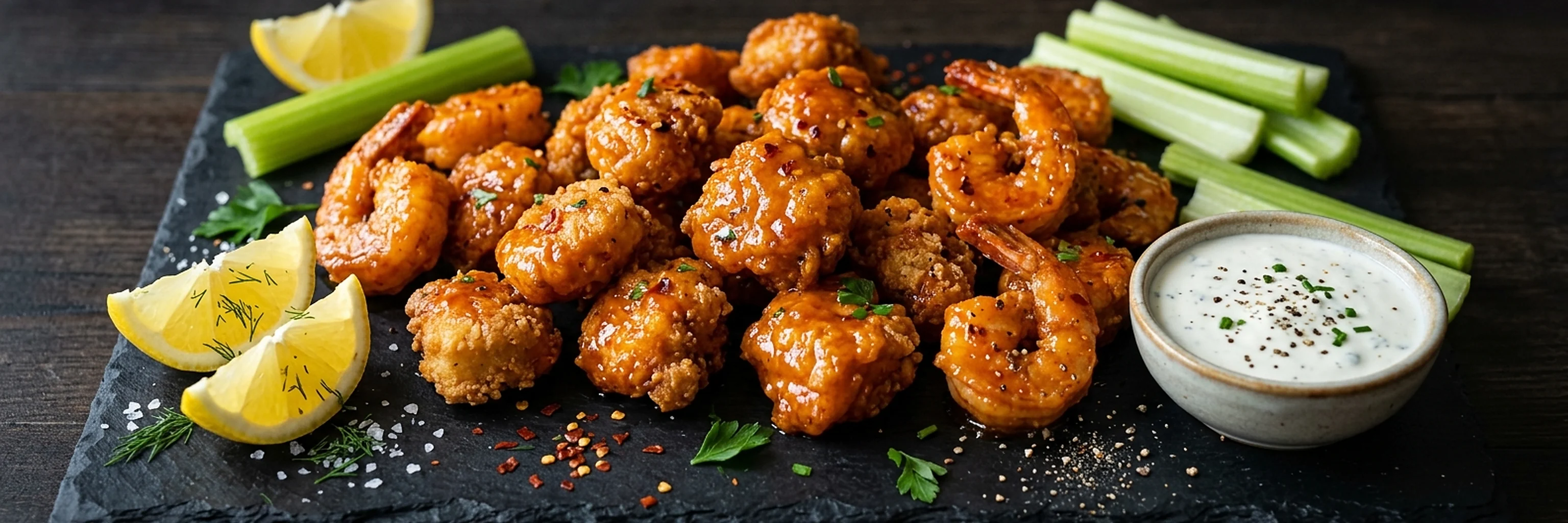
Does buffalo sauce work on shrimp?Yes — buffalo shrimp is a well-established application that works excellently. Shrimp's natural sweetness contrasts with the tangy-spicy buffalo sauce, creating a sweet-heat balance that's even more pronounced than with chicken. The key technical point: don't cook shrimp in the buffalo sauce from the start — the vinegar's acidity will tighten and toughen the shrimp protein quickly. Cook shrimp first (pan-sear or fry 2–3 minutes until pink), then toss immediately in warm buffalo sauce. This produces the best texture and prevents the rubbery result that comes from shrimp swimming in acidic sauce throughout the cooking process.
Why Buffalo Sauce and Shrimp Work Together
Shrimp has an innate sweetness from the glycine and proline amino acids abundant in its muscle protein. This sweetness creates a particularly compelling contrast with buffalo sauce's sharp vinegar tang and capsaicin heat. The same contrast that makes sweet potato + buffalo sauce interesting (see buffalo stuffed sweet potatoes) operates here — sweetness moderates perceived heat and creates a more complex eating experience.
Shrimp also has enough natural flavor to stand up against buffalo sauce's assertiveness. Mild white fish (tilapia, cod) can be overwhelmed by buffalo sauce's intensity; shrimp's pronounced briny sweetness holds its own and creates dialogue with the sauce rather than disappearing behind it.
Texturally, shrimp's snap and bounce contrast with the smooth, fluid buffalo sauce in a satisfying way. The exterior of a properly cooked shrimp is slightly firm and resistant; the sauce adds coating and moisture. This texture contrast is part of what makes buffalo shrimp so satisfying.
Preventing the Rubbery Shrimp Problem
Rubbery shrimp in buffalo sauce has two causes:
- Acid toughening: The white vinegar in buffalo sauce (and the hot sauce base) is a mild acid. Prolonged contact with acid denatures shrimp proteins — tightening and toughening them in the same way ceviche "cooks" fish with lime juice. Shrimp left in buffalo sauce for more than 5 minutes will be noticeably tougher than shrimp just tossed at the last moment.
- Overcooking: Shrimp cook in 2–3 minutes. Medium shrimp goes from raw to perfect to overcooked within a 60-90 second window. Overcooked shrimp is rubber regardless of the sauce. Cook until just pink and opaque — no longer.
The solution to both problems: cook shrimp completely first, then add to warm (not hot) buffalo sauce immediately before serving. The brief contact time prevents acid toughening; proper cooking time prevents overcooking.
Best Cooking Methods for Buffalo Shrimp
Shrimp Cooking Methods for Buffalo Applications
| Method | Time | Result | Best For |
|---|---|---|---|
| ★ Pan sear (high heat, dry) | 2–3 min | Excellent crust, tender interior | Classic restaurant-style |
| Deep fry (breaded) | 2–3 min at 375°F | Crispy coating, maximum texture contrast | Buffalo shrimp po'boy, appetizer |
| Air fry | 8 min at 400°F | Good crust, lower fat | Lighter preparation |
| Grill | 2 min per side | Slightly smoky, good char | Outdoor cooking, skewers |
| Boil then toss | 3 min | Tender but no crust | Works but less ideal |
Pan-searing in a very hot cast iron or carbon steel pan produces the best result for home cooking: the high heat creates a slight Maillard crust on the exterior while the interior stays tender. This thin crust gives the buffalo sauce something to grab onto when tossed, producing better sauce adhesion than boiled or poached shrimp.
Deep-fried breaded shrimp with buffalo sauce is its own category — the breading provides a significant textural element that changes the dish character. This is the style served at most restaurants as an appetizer and resembles buffalo chicken bites more than traditional wing-style preparation.
Sauce Application Timing and Technique
For the best buffalo shrimp result:
- Cook shrimp completely by chosen method
- Have warm buffalo sauce ready (not cold from the refrigerator — warm sauce coats better)
- Immediately after cooking, transfer shrimp to a bowl
- Pour warm buffalo sauce over and toss gently to coat — shrimp are delicate and vigorous tossing can break them
- Plate and serve immediately — don't let buffalo shrimp sit in sauce for more than 2–3 minutes before eating
The quantity of sauce: approximately 1 tablespoon of buffalo sauce per 4–5 medium shrimp for a coating application (not swimming in sauce). The goal is a thin, even coat rather than a pool of sauce. Shrimp don't have the fat content of chicken wings to absorb large amounts of sauce — keep it proportional.
💡 The Best Buffalo Shrimp Serving Format
Buffalo shrimp work best in specific serving contexts. As a standalone appetizer with blue cheese and celery (exactly like wings): excellent. In a taco with slaw and avocado: exceptional — the shrimp's sweetness + buffalo heat + cool avocado + crunchy slaw is one of the best flavor combinations possible. Over rice bowls with cucumber and sesame: the Thai-buffalo or sriracha-buffalo variation works particularly well in this format. What to avoid: pasta (shrimp + pasta + buffalo sauce in a large dish becomes overwhelmingly rich); heavy casseroles (shrimp toughens when reheated); any make-ahead application where shrimp sits in sauce for hours.