Quick Answer
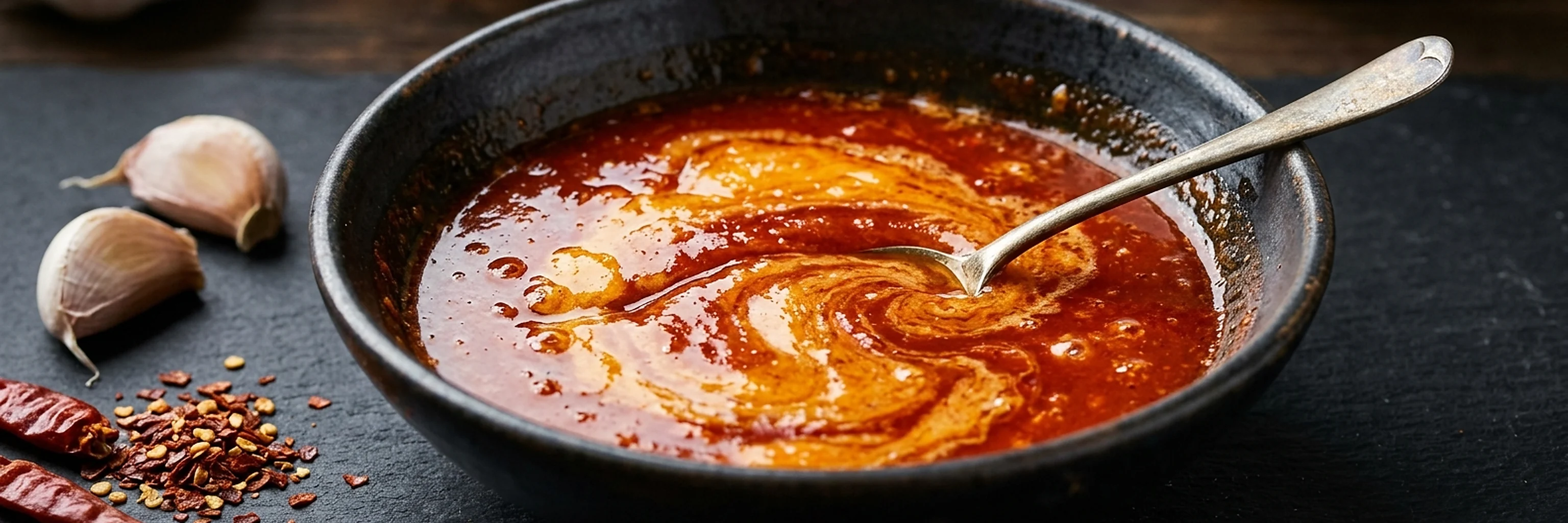
How do you make gochujang buffalo sauce?Combine gochujang (Korean fermented chili paste) with Frank's RedHot Original (for tang), honey (for sweetness to balance gochujang's depth), soy sauce (for umami), sesame oil (for nuttiness), butter (for richness and emulsification), and garlic. The ratio: 2 tablespoons gochujang + 3 tablespoons Frank's + 1 tablespoon honey + 1 tablespoon soy sauce + 3 tablespoons butter + 1/2 teaspoon sesame oil + 1 clove garlic. Melt and whisk. The result is a deep, fermented, slightly sweet-heat sauce that's noticeably more complex than classic buffalo but still recognizably in the same family.
What Is Gochujang?
Gochujang is a Korean fermented chili paste made from gochugaru (Korean chili flakes), glutinous rice, fermented soybeans, and salt. It's been fermented for months or years — the fermentation develops deep, complex savory flavors (umami) alongside the heat and sweetness. The result is a thick, dark-red paste with a flavor far more complex than any Western hot sauce.
Heat level: 1,000–8,000 SHU depending on brand and variety — roughly jalapeño-level, making it a moderate-heat ingredient. The heat is slower to build and less sharp than cayenne-based sauces.
Gochujang's flavor is difficult to describe: simultaneously earthy, sweet, deeply savory, fermented, and mildly spicy. It's the base of Korean spicy dishes (tteokbokki, bibimbap), and its complexity makes it one of the most versatile flavor-building ingredients in any cuisine.
Why Gochujang + Buffalo Works
At first glance, combining Korean fermented chili paste with a Louisiana-tradition buffalo format seems forced. It works because:
- Butter bridges the gap: Both cuisines use fat as a carrier for spice. In Korean cooking, sesame oil and pork fat carry chili heat. In buffalo sauce, dairy butter carries capsaicin. Both fats create a rich coating that's familiar in both contexts.
- Fermentation adds what buffalo sauce lacks: Classic buffalo sauce is relatively one-dimensional in flavor — hot, tangy, salty. Gochujang adds a fermented umami depth that makes the sauce taste more complex without moving it into unfamiliar territory.
- The sweetness need is shared: Gochujang contains glutinous rice which provides natural sweetness. Buffalo sauce traditionally goes well with honey or sugar. The gochujang's inherent sweetness reduces the need for additional sweetener while providing it naturally.
- Chicken is neutral enough: Chicken's mild flavor accommodates both traditions. This is why Korean fried chicken (yangnyeom) and American buffalo wings can both exist — the protein is a shared canvas.
Ingredients
- 2 tablespoons gochujang paste
- 3 tablespoons Frank's RedHot Original
- 1 tablespoon honey
- 1 tablespoon soy sauce (low-sodium preferred)
- 3 tablespoons unsalted butter
- 1/2 teaspoon sesame oil
- 1 clove garlic, minced fine
- 1/2 teaspoon grated fresh ginger (optional but excellent)
Method
- Melt butter in a small saucepan over low heat.
- Add garlic (and ginger if using). Cook 30 seconds, stirring — just enough to soften, not brown.
- Add gochujang. Stir vigorously to dissolve into the butter.
- Add Frank's RedHot, honey, and soy sauce. Whisk together.
- Simmer over low heat for 2 minutes, stirring constantly, until the sauce is smooth and slightly thickened.
- Remove from heat. Add sesame oil. Stir to incorporate.
- Taste. Adjust: more gochujang for depth and heat, more Frank's for tang, more honey for sweetness.
- Use immediately or keep warm.
Tips
- The gochujang dissolves into warm butter much more easily than into cold liquid — melt butter first, then add gochujang.
- Fresh ginger (1/2 teaspoon grated) adds a bright pungency that bridges the Korean and buffalo flavor profiles. It's optional but strongly recommended.
- This sauce glazes extremely well — the sugars from honey and gochujang's rice content caramelize on wings under a broiler or on the grill.
Best Applications for Gochujang Buffalo Sauce
Excellent on:
- Chicken wings (obviously) — particularly good air-fried or deep-fried with the lighter, crispier Korean-style prep
- Grilled chicken thighs — the sauce glazes into a complex, lacquered surface
- Tofu (pressed and pan-fried or air-fried) — gochujang's fermented depth works particularly well with tofu's neutral canvas
- Brussels sprouts or broccoli (roasted) — the depth of gochujang complements roasted vegetables' bitterness
- Rice bowls — drizzled over steamed rice and vegetables, gochujang buffalo sauce is a complete bowl sauce
Less appropriate for: Traditional buffalo wing contexts where guests expect classic Frank's flavor — this sauce will read as "Korean" not "buffalo" to most guests. Best served when the fusion element is intentional and labeled.
💡 Where to Buy Gochujang
Gochujang is available at any Korean grocery store and increasingly at mainstream grocery stores in the Asian foods section. Common brands: CJ Haechandle, Chung Jung One, Mother-in-Law's (US-made artisan version). Look for a tube or tub in the 200–500g range — it keeps for 6+ months refrigerated. If you can't find gochujang locally, Amazon and online Korean grocery stores ship it reliably. Don't substitute with sriracha — the fermented depth is what makes gochujang unique and sriracha doesn't have it.