Quick Answer
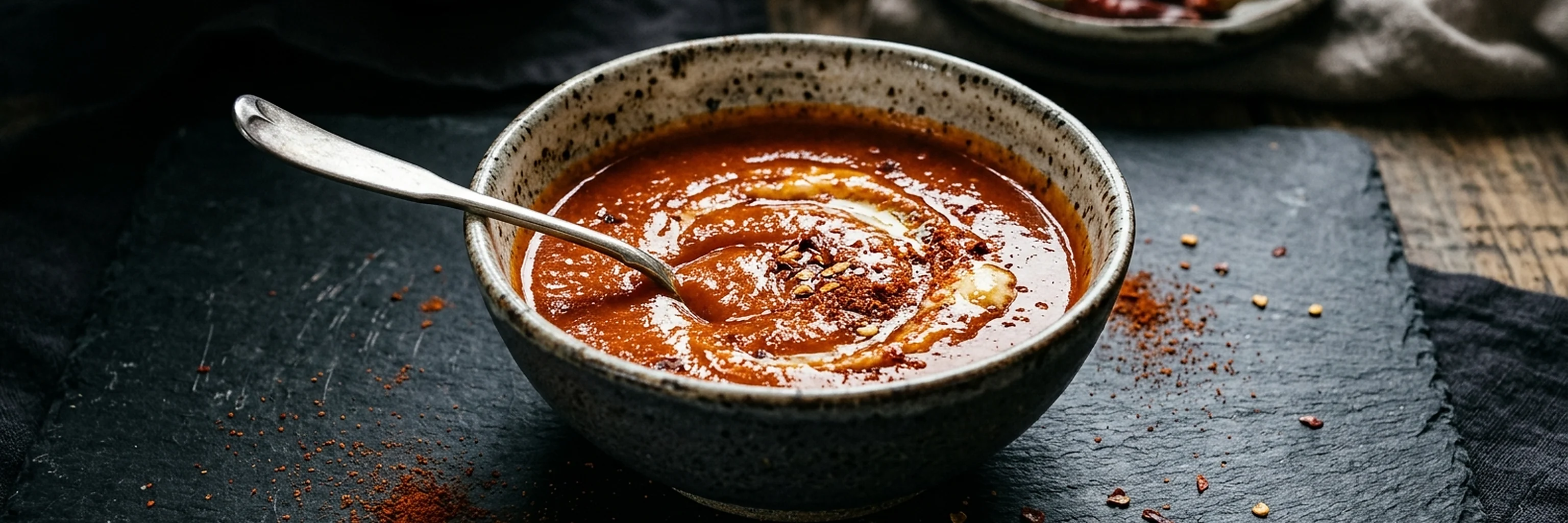
What is black pepper buffalo sauce?Black pepper buffalo sauce is a variation of standard buffalo sauce with a significant amount of freshly cracked or coarsely ground black pepper added. The black pepper's piperine adds a sharp, aromatic secondary heat that layers with cayenne's capsaicin. The result is a sauce with more complexity and a different heat character — the cayenne provides the familiar building burn, while the black pepper adds an immediate, aromatic sharpness. Black pepper buffalo sauce works particularly well as a finishing sauce and on darker meats where the pepper's tannins complement natural gaminess.
Why Black Pepper and Buffalo Sauce Work Together
Black pepper and cayenne are both heat sources but through completely different chemical mechanisms, which is exactly why they work well together:
- Different receptor activation: Capsaicin (the heat compound in cayenne) primarily activates TRPV1 receptors. Black pepper's piperine activates TRPV1 AND TRPA1 receptors. The dual activation creates a perception of more complex, layered heat compared to cayenne alone. Neurologically, the combination stimulates pain pathways that a single compound can't reach simultaneously.
- Timing difference: Cayenne heat has a slight delay before onset and lingers. Black pepper's piperine-based heat is more immediate and dissipates faster. The combination means you experience an immediate pepper hit (piperine), followed by the building cayenne burn — a sequential heat effect that's more interesting than either alone.
- Aromatic interaction: Black pepper contains over 100 aromatic compounds beyond piperine — terpenes, sesquiterpenes, and other volatile compounds that contribute the characteristic "pepper" fragrance and flavor. These aromatics interact with the buttery, vinegar-tang base of buffalo sauce by adding herbal, woody, and slightly citrusy notes. The result is a sauce that smells more complex than standard buffalo.
- Bioperine enhancement: Piperine (as bioperine) is a known bioavailability enhancer — it improves the absorption of various nutrients and phytochemicals including capsaicin. Some research suggests that black pepper combined with capsaicin creates a more efficient delivery of both compounds to the tissues responsible for the heat perception. In practical terms: black pepper may make the cayenne feel more effective.
Ingredients
- 1/2 cup Frank's RedHot (or preferred cayenne hot sauce)
- 4 tablespoons unsalted butter
- 1.5 teaspoons freshly cracked black pepper (coarse grind)
- 1/2 teaspoon finely ground black pepper
- 1/2 teaspoon garlic powder
- 1/4 teaspoon onion powder
- 1/4 teaspoon Worcestershire sauce
- Pinch of salt
- Optional upgrades:
- 1/4 teaspoon smoked paprika
- 1/2 teaspoon lemon zest (added off-heat)
Method
- Melt butter in a small saucepan over medium-low heat until just melted — not browned. The goal is liquid butter, not clarified or browned butter.
- Add Frank's RedHot, garlic powder, onion powder, and Worcestershire sauce. Whisk to combine.
- Bring to a gentle simmer over medium-low heat, whisking frequently, for 2 minutes.
- Remove from heat. Add both the coarse-cracked and fine-ground black pepper. Whisk to incorporate.
- If using lemon zest: add it now, off-heat, to preserve the volatile aromatic compounds. Whisk briefly.
- Taste and adjust: add more cracked pepper for heat and texture, more hot sauce for tang and heat, or a pinch more salt to sharpen all flavors.
- Use immediately. The pepper will settle if sauce sits — whisk again before using. Refrigerate up to 1 week; reheat gently while whisking.
Tips
- Using two grinds of black pepper (coarse and fine) is intentional: the coarse grind provides visible pepper flakes and textural bites with aromatic bursts; the fine grind distributes piperine evenly through the sauce for consistent heat.
- Freshly cracked black pepper is noticeably different from pre-ground. The volatile terpene compounds that give black pepper its complex aroma evaporate quickly after grinding — pre-ground pepper that's been sitting loses its complexity and leaves mainly piperine-based heat. If you have a pepper grinder, use it for this recipe.
- For a lighter sauce color and cleaner pepper flavor: white pepper can replace up to half the black pepper. White pepper's piperine heat is similar to black pepper's but it lacks the terpene aromatics — the result is sharper heat with less aromatic complexity.
Black Pepper Grades and Types
Black Pepper Types for Buffalo Sauce
| Pepper Type | Piperine Level | Flavor Complexity | Best Use |
|---|---|---|---|
| ★ Tellicherry (Malabar) | High | Highly complex | Best overall — citrus, floral notes |
| Vietnamese (Kampot) | High | Complex, earthy | Excellent for deep flavor |
| Sarawak (Malaysia) | Medium-high | Medium complexity | Good everyday pepper |
| Pre-ground commercial | Medium (degraded) | Low (aromatics lost) | Acceptable shortcut |
| White pepper | High | Low aroma | Heat without dark color |
The Lemon Pepper Connection
Wingstop's Lemon Pepper Wet wing sauce is one of the most popular wing preparations in the US — it's essentially a citrus-black pepper butter sauce applied to crispy wings. Black pepper buffalo sauce is in this flavor family. If you've enjoyed Lemon Pepper Wet wings, black pepper buffalo sauce with the lemon zest addition from this recipe produces a very similar effect, but with the cayenne heat that Lemon Pepper Wet lacks.
The combination — lime buffalo sauce principles + black pepper from this recipe — creates a sauce that delivers citrus, pepper, and cayenne simultaneously. Try this variation: 1/2 cup Frank's, 4 tablespoons butter, 1 teaspoon cracked black pepper, 1/4 teaspoon lemon zest, 1/4 teaspoon lime zest. The result is a complex, zesty-pepper-spicy sauce that occupies different territory from standard buffalo.
💡 Blooming Pepper in Butter
For more aromatic complexity: add the cracked black pepper to the melted butter BEFORE adding the hot sauce. Cook the pepper in the butter for 30–45 seconds over low heat — you'll see the butter take on a golden color and the pepper's aromatics will bloom into the fat. The lipid-soluble terpene compounds in black pepper extract into butter more effectively than into the water-based hot sauce. Then add the hot sauce. This "bloomed" approach creates a noticeably more aromatic sauce. Don't let the pepper scorch — lower the heat if you see the butter browning. This is the same principle as blooming spices in fat before adding liquids, which is covered in the curry buffalo sauce guide.